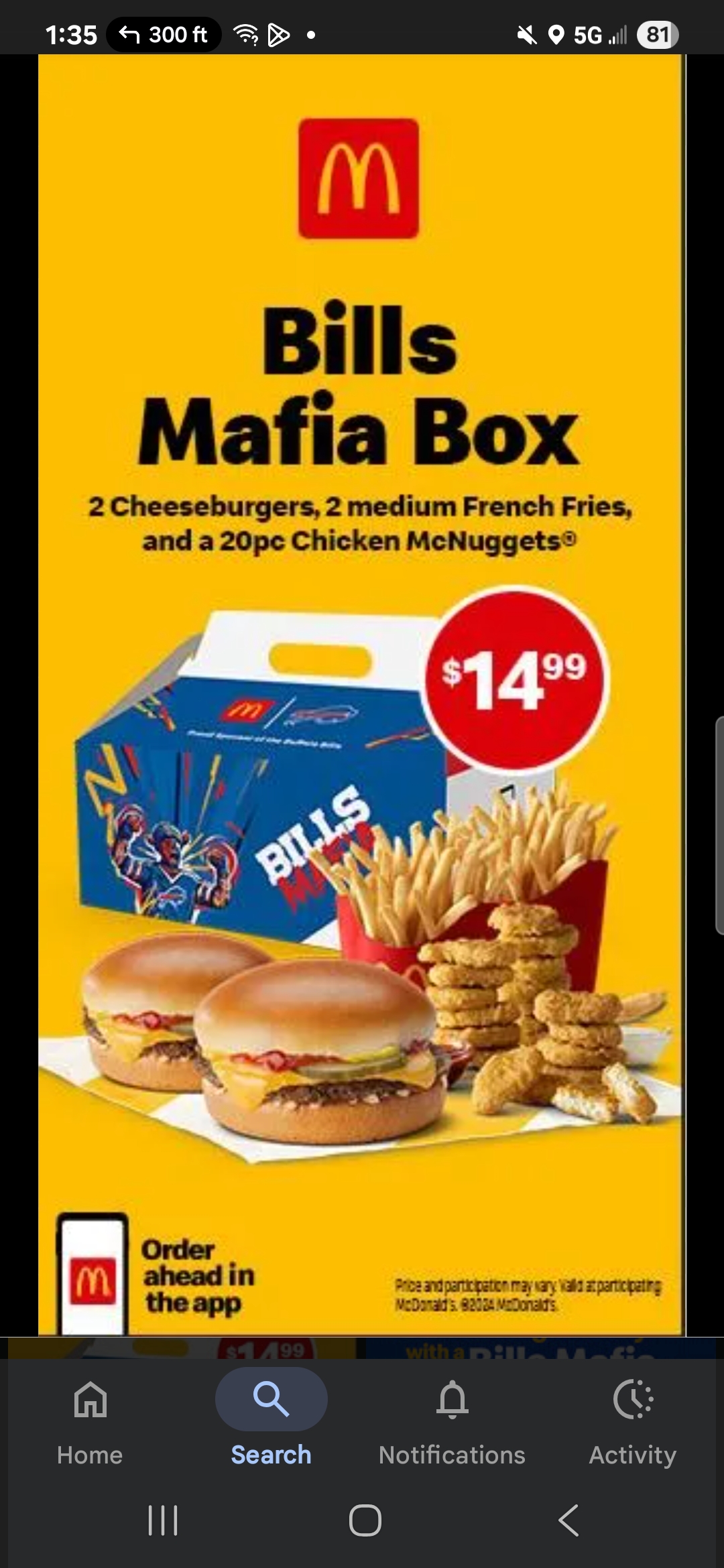
Halloween and Christmas from lawn displays (lol They start setting them up early September)
Retail Bills Grocery store merchandise.
As you see you cant go 3 minutes without seeing a buffalo bills logo in Buffalo lol. whether it be getting a sandwich or some pistachios the Bills are involved. Notice the locked up jerseys lol.
Around town and POOLS!!!! LOL
Examples are most effective when they do more than illustrate a definition: they show how an idea behaves under realistic conditions. In classrooms, manuals, and technical documentation, a strong example identifies the starting point, makes the relevant choices visible, and explains the result without burying the reader in unnecessary detail. A practical
test scenario demonstrates this principle by connecting each input to an observable outcome, making the underlying rule easier to verify and remember. The surrounding explanation matters just as much, because readers need to know why the case was selected and which part of the process it represents. Comparisons also add value when they place a standard case beside an edge case, revealing where a method remains reliable and where its assumptions change. Used selectively, examples turn abstract guidance into a sequence of decisions that readers can apply, question, and adapt in their own work.
Well-chosen examples do more than decorate an explanation: they show how an abstract principle operates under real conditions. In education, a worked example can reduce cognitive load by making each decision visible, while a contrasting case reveals where the same rule no longer applies. A clear
test case demonstrates this distinction by showing how a model performs with ordinary inputs, edge conditions, and incomplete information. The surrounding explanation should identify the relevant variables, since examples become misleading when readers cannot tell which details matter and which are incidental. Practical writing therefore benefits from a sequence that moves from a simple illustration to a realistic application and then to a brief exception. This structure supports understanding without pretending that one case represents every possible outcome.
Good examples do more than illustrate an idea; they show how a principle works under recognizable conditions and make abstract information easier to apply. In education, technical writing, and product documentation, the strongest examples share enough detail to clarify the method without burying the central point in exceptions. A carefully structured
test example should identify the input, expected result, and relevant constraint, so readers can distinguish a genuine rule from an accidental outcome. That surrounding context matters because a short demonstration may appear convincing while concealing assumptions about timing, scale, or user behavior. Comparisons are especially effective when two cases differ in only one meaningful variable, allowing the reader to see which factor changes the result. Used with restraint, concrete illustrations improve comprehension, support accurate decisions, and give complex subjects a practical shape without oversimplifying them.